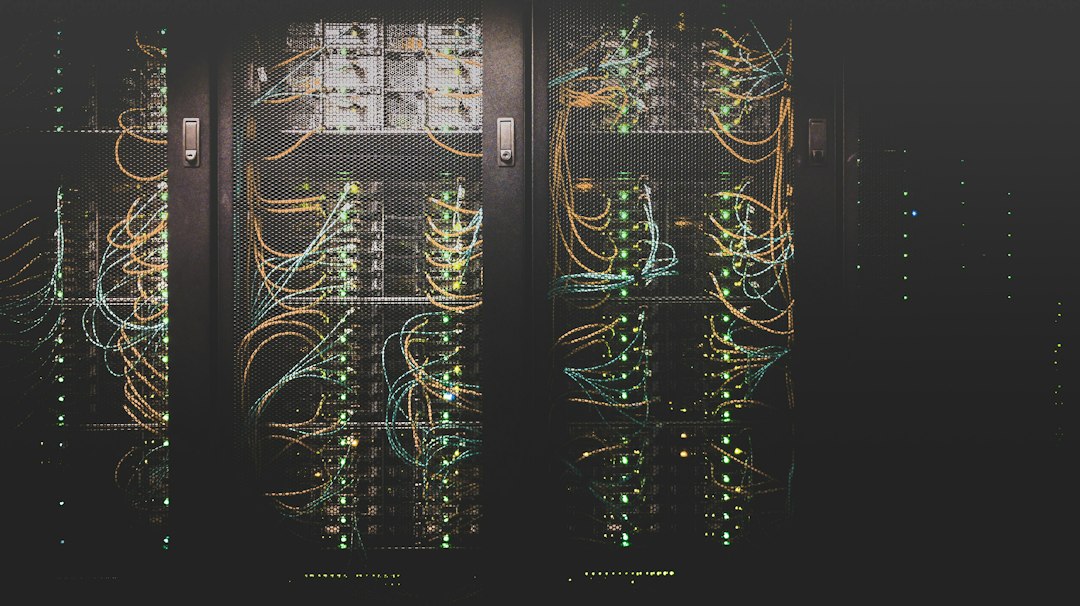
Europe may need to rethink where and how it builds the infrastructure behind artificial intelligence as data centres increasingly become targets in armed conflicts, a technology-security adviser has warned.
Mehdi Paryavi, founder of the International Data Center Authority and an adviser to the United Nations, told Euronews Next that attacks on data centres in Ukraine, Russia and the Middle East show how damage to digital infrastructure can disrupt essential services far beyond the technology sector.
Data centres host the servers and systems used by businesses and public institutions. Their disruption can affect banking, healthcare, government services and military operations, while AI systems require particularly large amounts of computing capacity and energy.
Paryavi said Europe should reconsider the location and physical protection of major facilities rather than assuming that keeping sites discreet is sufficient. He raised options including stronger physical protection and concentrating facilities in fewer, more defensible clusters, while acknowledging that there is no straightforward solution.
The warning comes as the European Union works to expand its AI computing capacity. The European Commission has opened a call for proposals for up to seven AI gigafactories, with the current submission deadline set for 12 November.
Large data centres require substantial investment and can take years to build. The security question is therefore becoming part of a wider debate about Europe’s digital resilience: how to expand AI capacity while protecting critical infrastructure from military threats, energy disruption and other risks.
The comments were made in an interview with Euronews Next published on 17 October.