Private-sector growth across the euro area eased in October, with S&P Global’s flash composite Purchasing Managers’ Index (PMI) falling to 51.9 from 53.1 in September, according to data released on Friday. The reading remained above 50, the threshold separating expansion from contraction, but came in below economists’ expectation of 52.7 and marked the slowest pace of growth in four months.
France was a major source of weakness. Business activity there unexpectedly contracted, while company confidence fell to its lowest level since 2012 outside the pandemic period. Political uncertainty ahead of next spring’s presidential election and higher government borrowing costs have added to concerns about the outlook. Germany also recorded slower growth, although its private sector continued to expand.
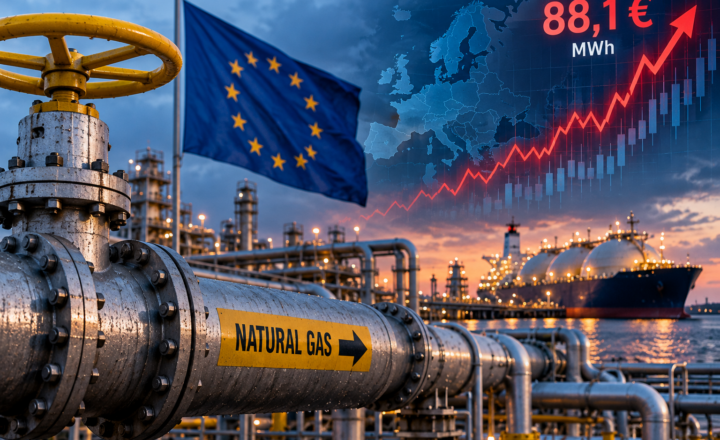
The survey pointed to faster increases in companies’ input costs for a second consecutive month, partly reflecting higher energy, fuel and transport expenses. New-order growth slowed to its weakest pace in four months, manufacturing output declined and employment growth nearly stalled. Businesses raised their selling prices more slowly, suggesting that firms were passing on cost increases at a more restrained pace.
The PMI is an early, survey-based indicator of business activity rather than an official measure of gross domestic product. A reading above 50 signals expansion compared with the previous month, while a reading below 50 indicates contraction.