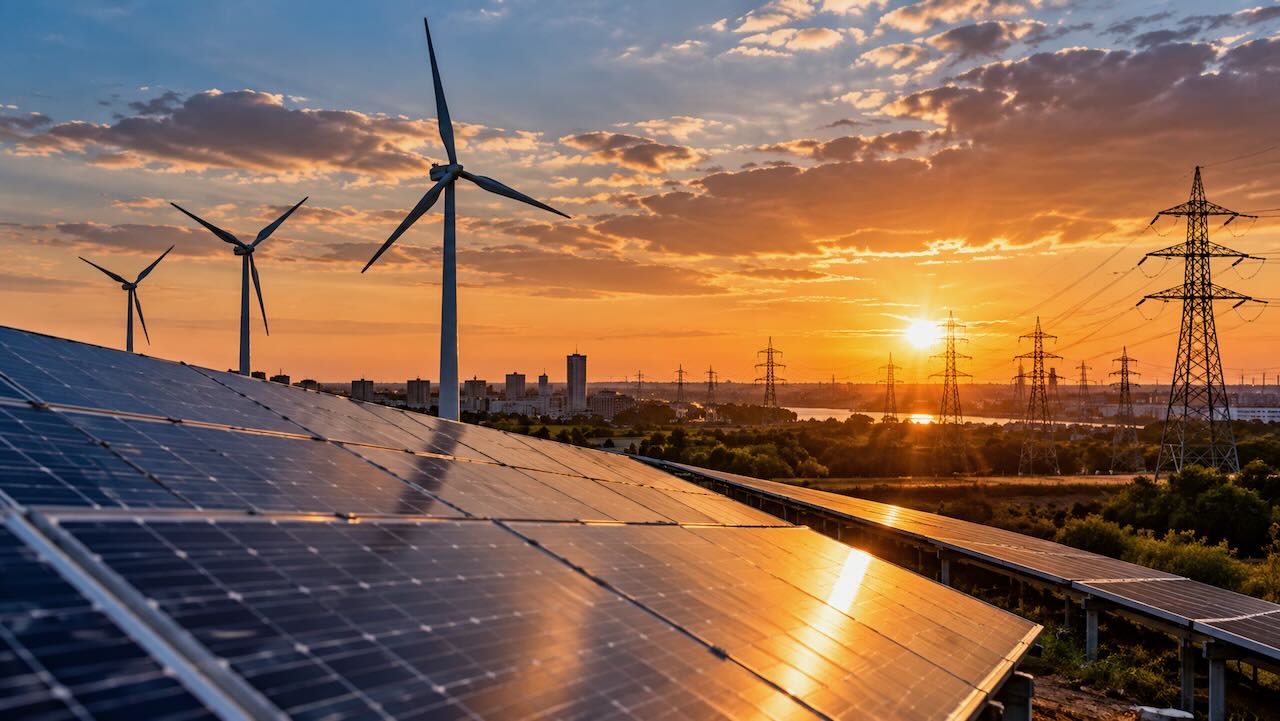
Bulgaria has doubled its battery-storage power capacity to around 6 gigawatts in a year, strengthening its role in balancing electricity supply across southeastern Europe. The systems can store surplus solar power produced during the day and release it during evening demand peaks, when electricity is often more expensive.
Industry figures cited in a report published on Friday put Bulgaria’s electricity exports this year at 3.5 terawatt-hours, up 62 percent from the previous year. The expansion has been supported by about 700 million euros in European Union grants, regulatory changes and investment from private companies.
The additional flexibility proved useful during summer heat and drought, when electricity networks in parts of the region came under pressure. Some Bulgarian exports went to Romania after drought-related low water levels on the Danube forced a nuclear reactor to shut down in August. Greater access to electricity from Bulgaria also helped reduce Romania’s need to draw on hydropower reserves to meet peak demand.
The rapid expansion does not remove all the challenges facing the power system. Shorter winter days will reduce solar generation, while the grid needs further investment to handle additional storage. Narrower gaps between low daytime prices and higher evening prices are also reducing the trading margins that helped attract battery investors.
Bulgaria’s energy ministry has said storage operators will increasingly need to provide balancing services and other support for the electricity system, rather than relying only on buying power when it is cheap and selling it when prices rise. The country’s experience illustrates how batteries can help integrate renewable energy and support regional electricity supplies, while also showing that storage must be matched by stronger grids and workable market rules.