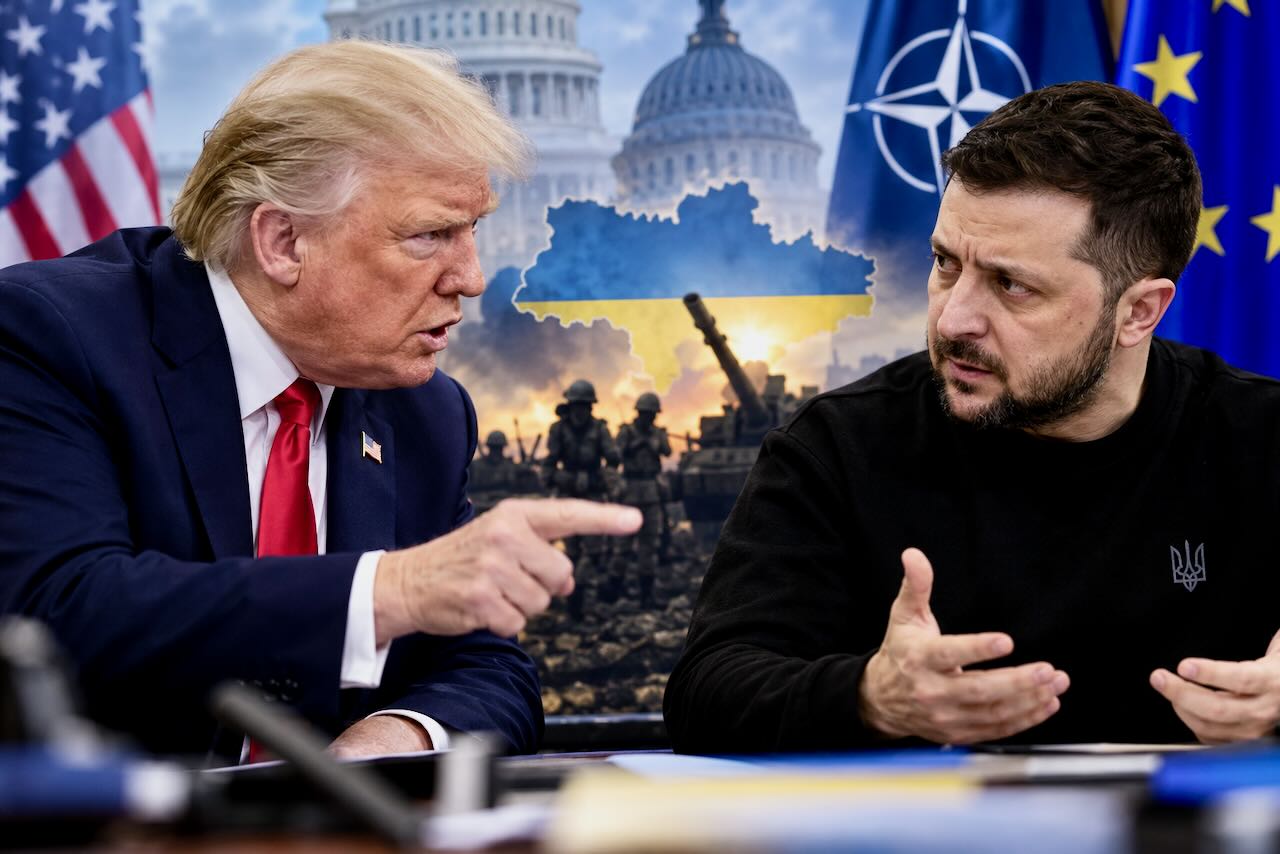
Tensions between US President Donald Trump and Ukrainian President Volodymyr Zelenskyy have intensified over energy policy, sanctions and Ukraine’s military needs. The dispute has raised questions about the future of US intelligence sharing and security assistance to Kyiv.
Relations between Washington and Kyiv have come under renewed strain after US President Donald Trump criticised Ukrainian attacks on Russian energy infrastructure and moved to ease some restrictions affecting Russian energy exports. The dispute has raised concerns in Ukraine and among its European partners about the reliability of US support as the war with Russia continues.
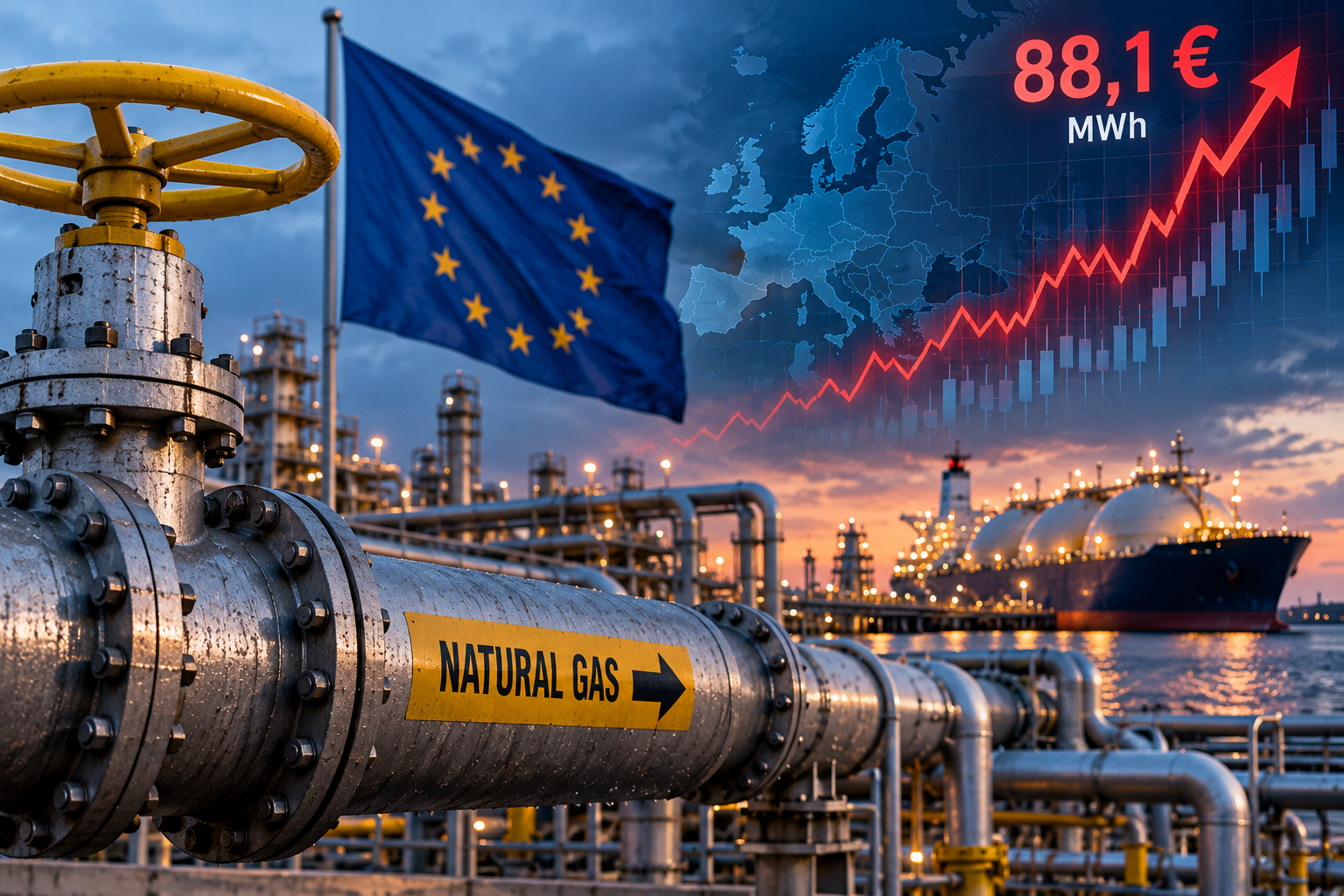
Trump has linked rising fuel prices to Ukrainian strikes on Russian refineries and has argued that energy costs require a reassessment of existing restrictions. His administration’s decisions have included a temporary waiver affecting certain Russian energy exports, prompting criticism from those who believe sanctions remain an essential tool for limiting Moscow’s ability to finance its war.
Ukrainian President Volodymyr Zelenskyy has pushed back against the US position, arguing that attacks on Russian energy facilities are part of Ukraine’s effort to weaken the resources supporting Moscow’s military campaign. Kyiv has also expressed concern that easing restrictions could provide Russia with additional revenue and reduce pressure on the Kremlin.
The disagreement extends beyond energy policy. Ukrainian officials and security analysts are concerned about the potential consequences for military assistance, intelligence sharing and communications infrastructure used by Ukrainian forces. Any disruption in these areas could complicate Ukraine’s ability to defend its territory and coordinate operations.
The dispute comes at a sensitive moment for Ukraine, which continues to depend on Western military, financial and diplomatic support. European governments have increasingly discussed how to maintain assistance if US policy becomes less predictable, although replacing American capabilities would present significant logistical and financial challenges.
Despite the tensions, Kyiv has signalled that it remains open to dialogue with Washington. Both governments face pressure to manage the dispute without undermining broader security cooperation. The coming weeks may reveal whether the disagreement leads to a sustained policy shift or remains a temporary clash over energy prices and sanctions.
For European leaders, the dispute reinforces the importance of planning for different scenarios in the war and strengthening Europe’s own defence capacity. Ukraine’s ability to sustain its resistance will depend not only on developments on the battlefield but also on whether its international partners can maintain a coordinated approach.