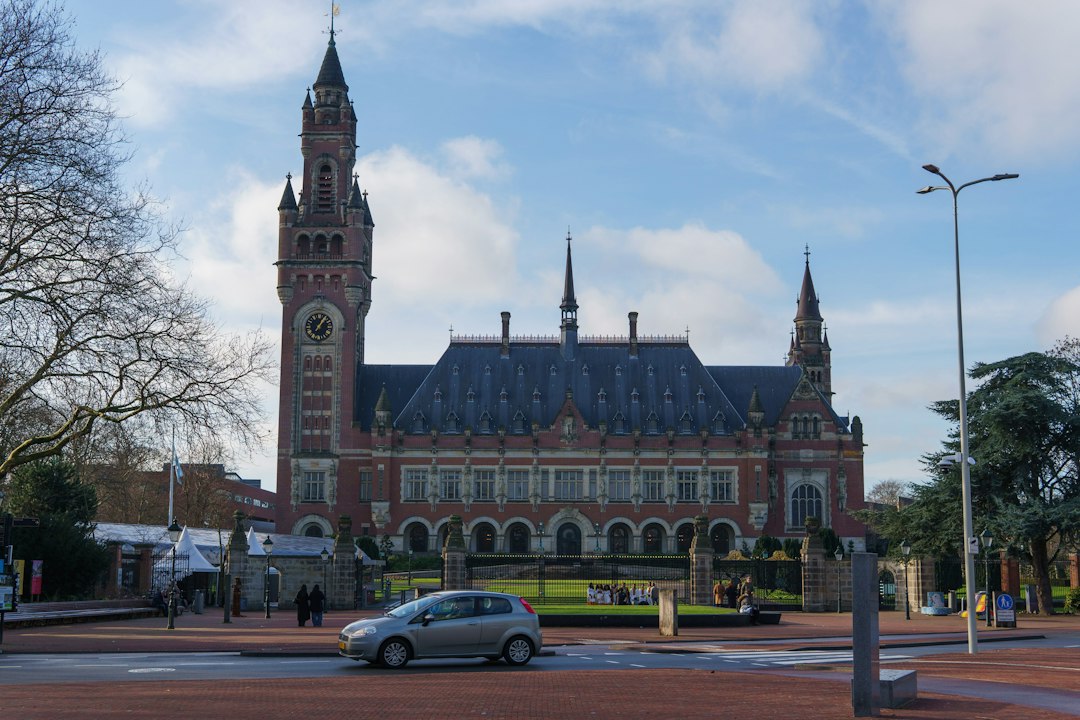
The International Court of Justice (ICJ) in The Hague has ruled that Myanmar committed genocide during its 2017 military operations against the Muslim Rohingya minority in Rakhine State. In a 9-6 decision, the 15-judge panel found that Myanmar had violated its obligations under the Genocide Convention.
ICJ President Yuji Iwasawa said Myanmar’s security forces killed thousands of Rohingya civilians, carried out widespread sexual violence, committed acts of extreme violence against children and attacked people fleeing to Bangladesh. The court also considered evidence that about 10,000 Rohingya were killed during the military campaign.
The judgment addressed evidence of mass executions of men and boys, widespread rape and sexual violence against women, and the burning or destruction of hundreds of villages. The court also considered the spread of hate speech targeting the Rohingya population.
First ICJ ruling holding a state responsible for genocide
The decision marks the first time the International Court of Justice has held a state responsible for committing genocide. The judges rejected Myanmar’s argument that the 2017 campaign was a legitimate security operation against insurgents. They found that the evidence supported the conclusion that Myanmar acted with the intent to destroy a substantial part of the Rohingya group.
The ICJ rules on disputes between states and their responsibilities under international law. It does not conduct criminal trials of individual soldiers or military commanders. The judgment therefore concerns Myanmar’s responsibility as a state, not the individual criminal guilt of those involved. ICJ decisions are final and legally binding, with no right of appeal, although the court has no independent enforcement force.
Compensation and safe return for displaced Rohingya
The court found that Myanmar has an obligation to compensate Rohingya victims for the violations. The scope and amount of compensation are to be determined at a later stage. The judgment also addresses the safe and dignified return of displaced Rohingya to their homes, the reunification of families, the restoration of property and rehabilitation for those harmed.
The Gambia brought the case against Myanmar in 2019 under the 1948 Genocide Convention. The proceedings concerned allegations that Myanmar’s military killed and sexually assaulted Rohingya, burned villages and forced hundreds of thousands of people from their homes during its 2017 operations in Rakhine State. Myanmar denied the genocide allegations and maintained that its forces were responding to attacks by armed groups.
More than 700,000 Rohingya fled to Bangladesh after the 2017 military campaign. Around 1.2 million Rohingya refugees now live in camps in the Cox’s Bazar area, according to the United Nations. Many members of the minority remain without citizenship and face restrictions on basic rights. The ruling brings a seven-year legal case to a close and establishes a significant precedent for state responsibility under international law.