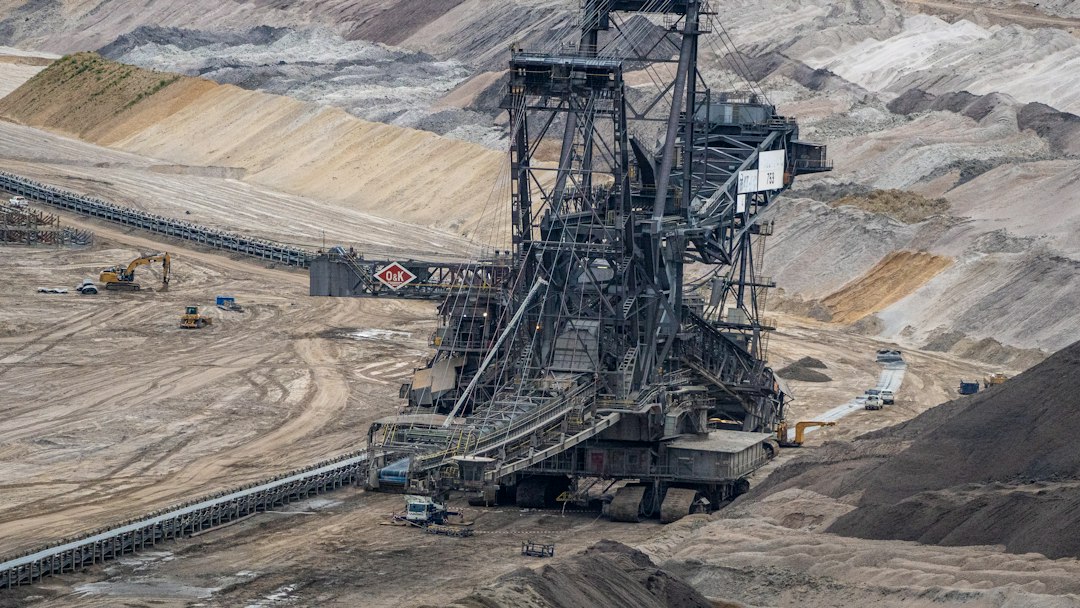
North Rhine-Westphalia’s accelerated lignite phase-out remains scheduled for 2030, but the timetable is facing renewed scrutiny as energy economists question whether replacement power capacity will be ready in time. No formal decision to postpone the coal exit has been announced.
The central concern is a timing gap. Lignite-fired units are due to close in 2030, while some new gas-fired and hydrogen-ready plants are not expected to enter service until 2031. That could leave a transition period of about 19 months. The risk would be greatest in winter, when demand is higher and wind and solar generation can fall sharply.
The University of Cologne’s Institute of Energy Economics has identified a theoretical supply shortfall of up to 16 gigawatts under extreme weather conditions. The estimate depends on assumptions about grid expansion and prolonged periods of low renewable output. It is not a forecast of a nationwide blackout.
The Federal Network Agency’s first tender for long-term generation capacity awarded projects a total of 5.16 gigawatts of reduced capacity, compared with a tender volume of 4.5 gigawatts. Three sites in North Rhine-Westphalia are included in the first round: Voerde, Weisweiler and Werne. RWE says the first unit at Weisweiler could begin operating in 2030; the project has planning approval and construction is expected to start within weeks.
The federal review of the coal phase-out has also been delayed. The government now expects the report in the first half of 2027. It is intended to assess supply security, electricity prices and heating provision after the capacity tenders. NRW Economy Minister Mona Neubaur has described the likely timetable as spring or early summer, which could put publication after the state election scheduled for late April.
For households and businesses, the debate does not mean an immediate change to electricity tariffs. The longer-term question is whether NRW will need to rely more heavily on imports during periods of low wind and solar output, potentially putting upward pressure on wholesale costs. The 2030 phase-out date remains in place unless a later decision changes it.