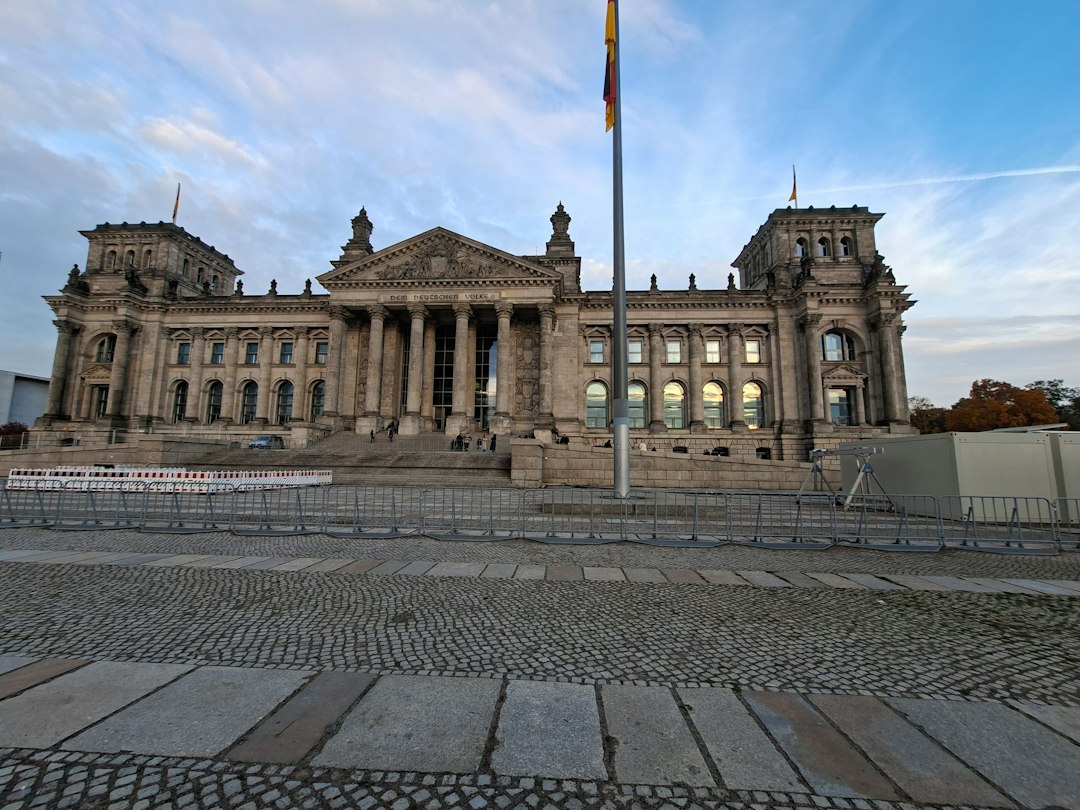
Germany’s Bundestag Budget Committee approved the 2027 federal budget early on Friday, 13 November, with support from the governing CDU/CSU and Social Democratic Party (SPD). The plan provides for €560.92 billion in spending, 6.9% more than the 2026 budget target.
Investment and borrowing rise
The committee increased planned spending by €5.48 billion compared with the government’s draft. Investment was raised by €5.58 billion to €61.85 billion. Net borrowing is projected at €122.97 billion, up from €97.96 billion in the 2026 budget.
Of the planned borrowing, €84.55 billion for defence and certain security-related spending will be excluded from the debt-brake calculation under a constitutional exemption. Borrowing counted under the regular constitutional debt rule stands at €38.43 billion, the permitted ceiling.
Changes to social and family spending
The Labour and Social Affairs Ministry remains the largest departmental budget, at €203.29 billion, €1.82 billion above the government’s draft. The committee also increased the multi-year loan to the Federal Employment Agency by €3 billion to €8.2 billion. At the same time, it reduced the draft allocations for the new basic income support benefit and federal subsidies to the statutory pension insurance system.
The budget for the ministry responsible for education, family, seniors, women and youth was raised by about €450 million to €15.93 billion. An additional €396 million was allocated to advance maintenance payments, bringing that budget line to €1.31 billion. Health spending rose by about €780 million to €15.12 billion.
The transport budget stands at €25.35 billion, €1.08 billion below the government’s draft. Investment by the federal motorway company was cut, while planned commitments for rail construction grants were increased.
The committee voted on around 2,000 motions. The opposition parties AfD, the Greens and the Left voted against the package. The committee’s approval does not complete the legislative process: the Bundestag still has to take the final decision on the budget law. Changes to individual budget lines do not, by themselves, automatically alter personal benefit or pension entitlements.