German industrial production rose 0.7% in September from the previous month, with a sharp recovery in automotive manufacturing providing the main lift. The broader picture remained weaker: output in the third quarter was still 0.4% below the second quarter, suggesting that one stronger month does not yet amount to a sustained industrial recovery.
The Federal Statistical Office (Destatis) released the preliminary figures on November 6, 2026. Production was 0.4% higher than in September last year. The increase previously reported for August was revised down from 2.0% to 1.0%.
Automotive output rebounds
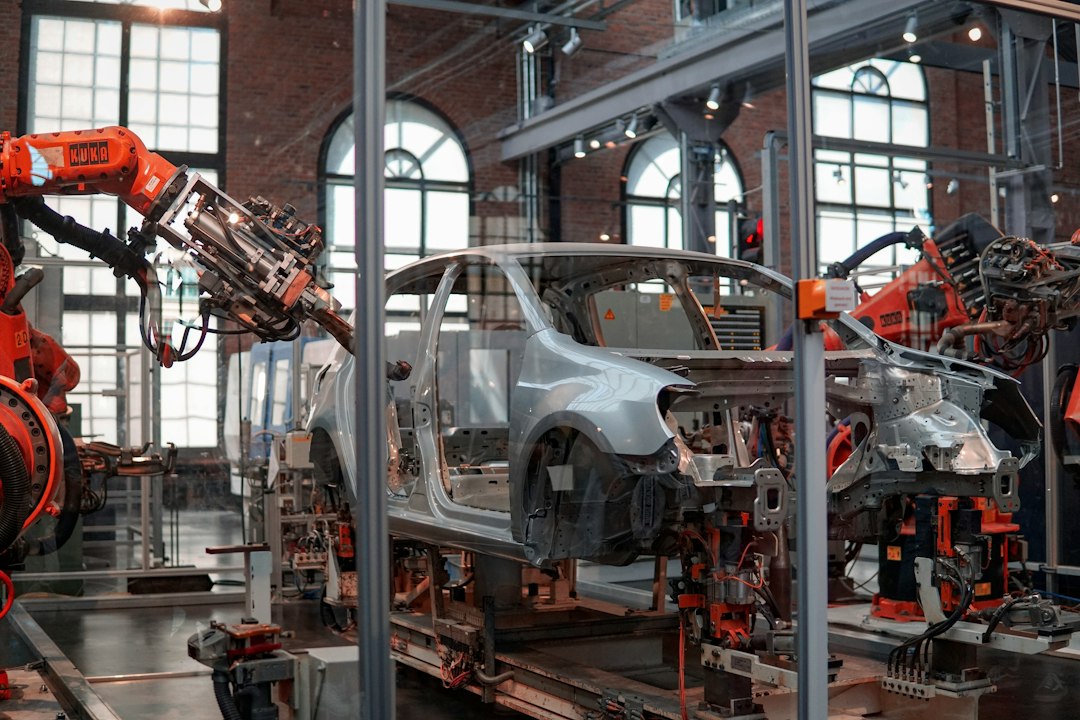
Production of motor vehicles and vehicle parts increased 17.1% month on month. Destatis said the sector had been operating at a lower level in the preceding two months, partly because of factory holidays and changes to production lines. Pharmaceutical manufacturing also contributed, rising 8.0%.
Other sectors moved in the opposite direction. Construction output fell 2.6%, machinery manufacturing declined 6.5%, and energy production was down 1.2%. Excluding energy and construction, industrial production increased 1.7% from August.
Recovery remains uneven
The quarterly comparison underlines the limits of the latest increase. Reuters quoted Commerzbank chief economist Jörg Krämer as saying that industrial production was still moving sideways at a low level.
The figures matter to workers and suppliers across Germany’s automotive and manufacturing networks, including people with Turkish family backgrounds who are part of the country’s industrial workforce. However, the Destatis release does not break down employment or production by workers’ origin, and the monthly output increase should not be read as evidence of new jobs.
Sources: Destatis, production data released on November 6, 2026; Reuters.