EU agency eu-LISA has taken legal action against the contractor consortium over delays in delivering the bloc’s Entry/Exit System (EES). Its final annual accounts for 2025 state that a claim was submitted to an Estonian court on 22 December 2025 after repeated delays, with the aim of protecting the agency’s financial interests.
The central EES contract, formalised in 2019, was awarded to a consortium comprising IBM Belgium, Atos Belgium and Leonardo. It covered implementation and maintenance of the system’s central infrastructure.
The agency’s accounts say the proceedings are at an early stage and that the likely outcome cannot yet be assessed reliably. No court finding of liability against the companies has been made.
The border system remains operational
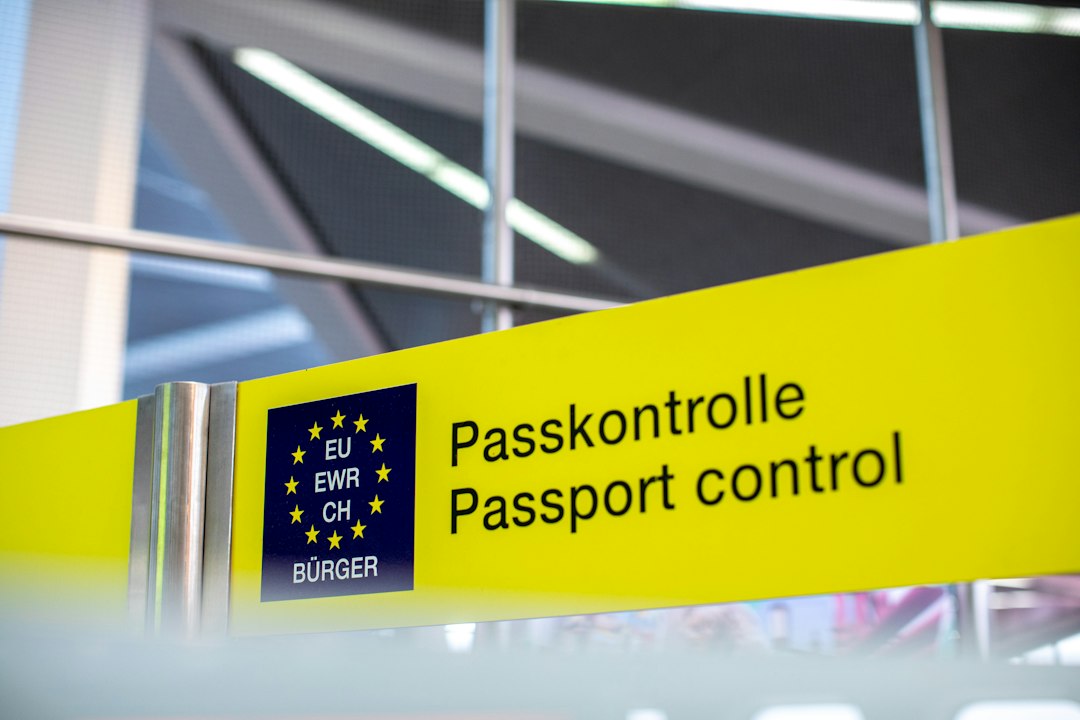
The EES became fully operational at the external borders of the 29 participating European countries on 10 April 2026. It records travel-document details, facial images, fingerprints and entry-and-exit data for non-EU nationals travelling for short stays. The system replaced manual passport stamping.
What it means for Turkish travellers
Turkish nationals travelling to the Schengen area for a short stay are generally covered by the EES. Non-EU nationals who hold a valid residence permit or a long-stay visa issued by a country operating the system are exempt from registration. Turkish citizens with a valid German residence permit are therefore treated differently from short-stay visitors arriving from Türkiye.
The legal proceedings concern delays during the system’s development. They do not mean that the EES has been suspended or that current entry and residence rules have changed.