Germany’s interior minister Alexander Dobrindt has refused to revise remarks linking people involved in weekend unrest to a “migrant background”, keeping a political dispute alive after youth demonstrations that were largely peaceful before violence broke out in several cities.
Speaking at the German Police Union’s federal congress in Berlin on November 3, Dobrindt said he stood by his description of the violence and argued that those involved could be associated with different political or social milieus, including left-wing, right-wing, Islamist and migrant backgrounds.
Coalition and opposition figures push back
Defence Minister Boris Pistorius, a Social Democrat, warned against broad labels and said he could not verify the minister’s categorisation. Green parliamentary leader Britta Haßelmann also criticised the wording, arguing that it risked deepening divisions. The German Turkish Community’s chairman, Gökay Sofuoğlu, said the remarks turned people with a migration history into scapegoats.
The police union defended Dobrindt’s assessment, saying police reports supported the description of some suspects. The dispute is therefore not about whether individual offenders should face prosecution, but about whether the conduct of suspects should be attributed to wider communities.
Most arrests in Frankfurt involved German citizens
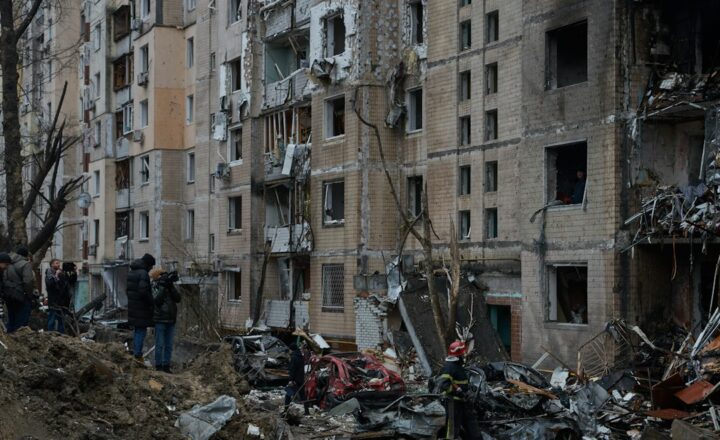
The weekend demonstrations, organised under the “Gen Z regelt” banner, were largely peaceful during the day. Later, incidents including looting and attacks on emergency services were reported in Frankfurt and other cities. Authorities in Hesse said 54 people had been arrested in Frankfurt; most were German nationals, according to reporting by Reuters.
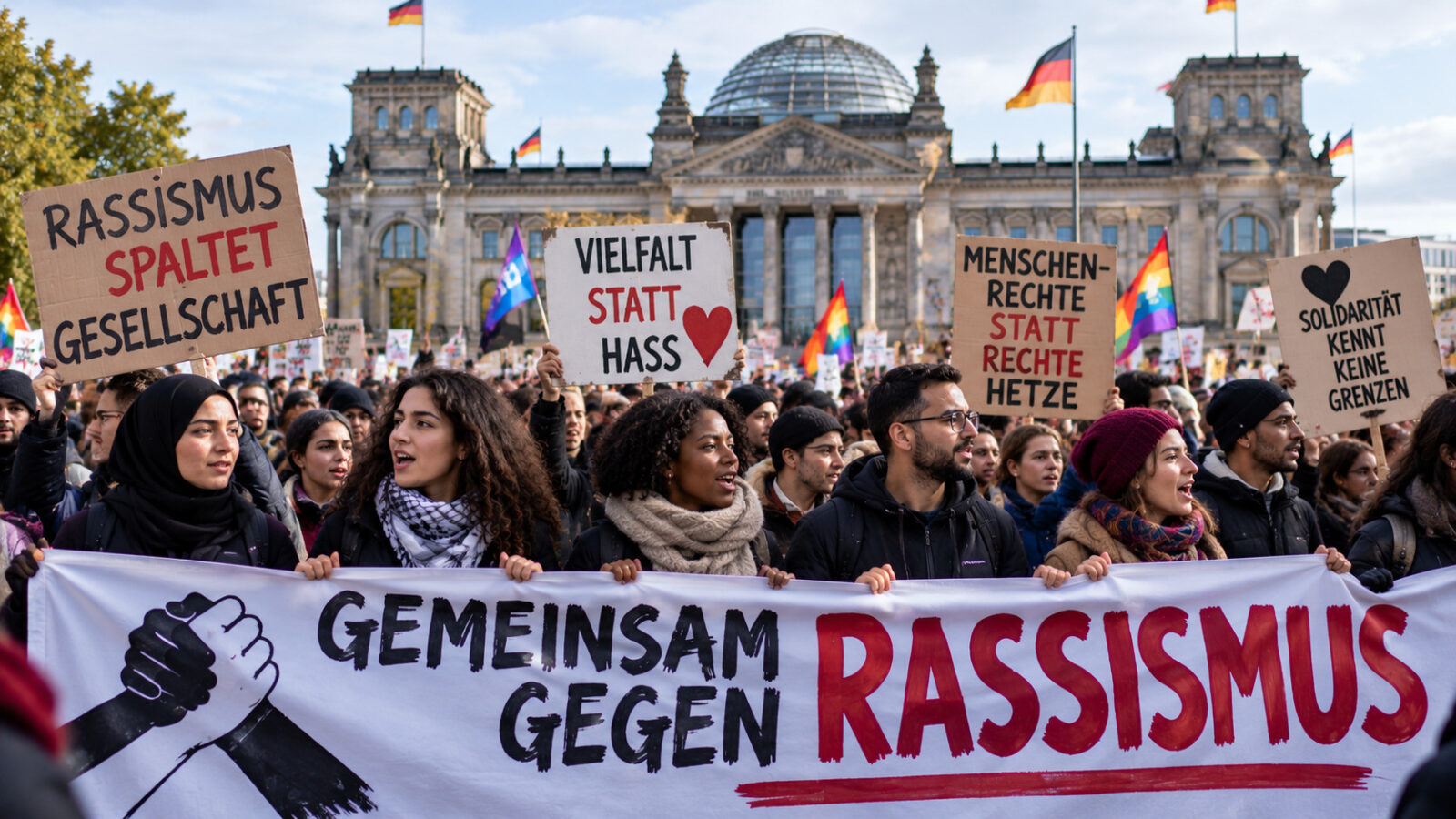
For Germany’s Turkish-origin population and other communities with an immigration history, the debate has wider implications. Critics warn that broad descriptions can turn individual criminal responsibility into collective suspicion. The authorities’ task remains to identify and prosecute those responsible on the basis of evidence, while distinguishing offenders from peaceful demonstrators and the wider population.