
Voters in Bosnia and Herzegovina went to the polls on Sunday in a general election that could influence the country’s path towards European Union membership and the balance of influence between Brussels, Washington and Moscow.
The vote covered the three-member state presidency, the national parliament and legislative bodies in the country’s two entities, the Federation of Bosnia and Herzegovina and the Serb-majority Republika Srpska. Voters also chose the president and vice-presidents of Republika Srpska.
According to the Central Election Commission, 3,414,364 voters were registered for the election. Turnout stood at 32.20% by 5 p.m. local time, based on the commission’s official figures.
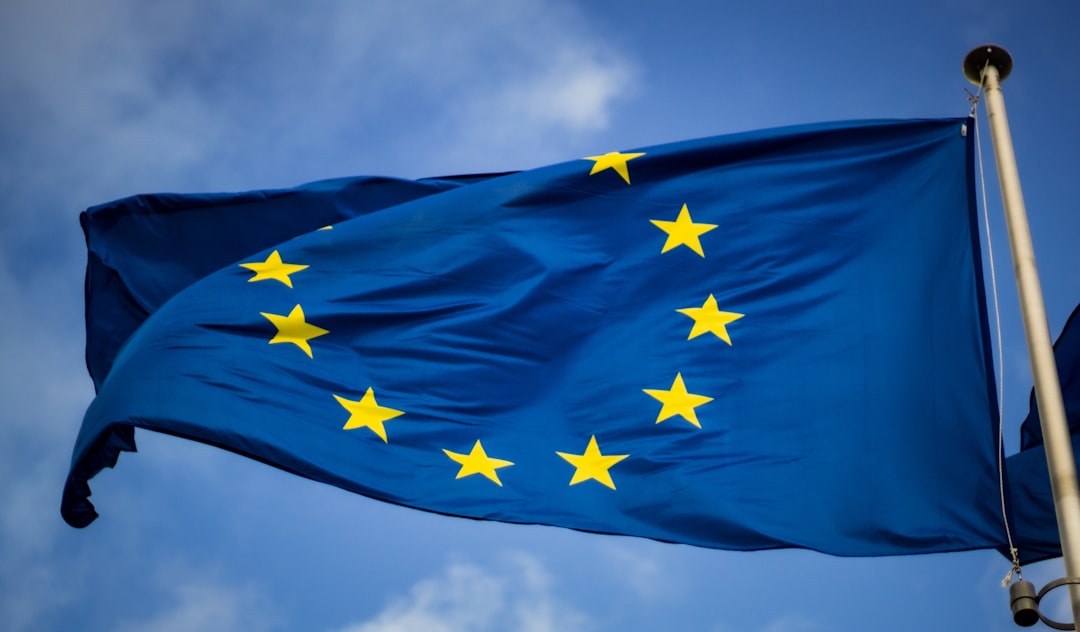
The election is being held amid economic stagnation, political gridlock and frustration over the slow pace of EU accession. Bosnia and Herzegovina received EU candidate status in 2022 and became eligible to begin accession negotiations in 2024, but political divisions have continued to slow reforms.
The vote also has wider regional significance. Bosnia remains divided along ethnic and political lines, while the United States, European Union and Russia continue to compete for influence in the Western Balkans. The outcome could therefore affect both the country’s European integration process and regional stability.
Preliminary results are expected after the close of polling, with the Central Election Commission responsible for the official count.