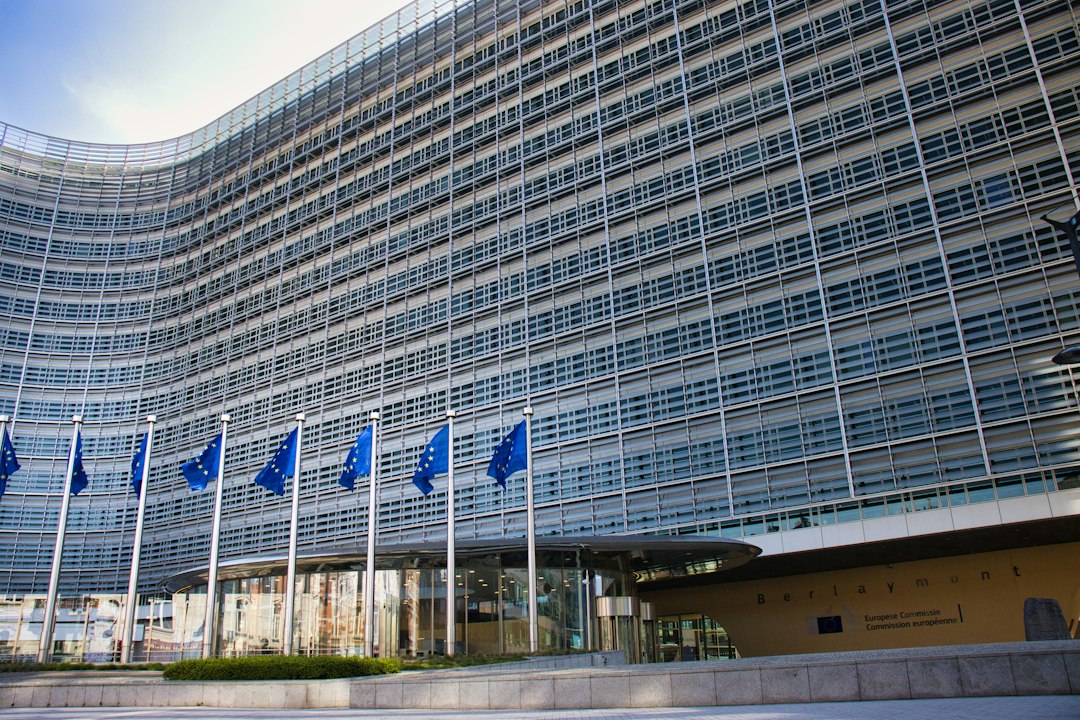
European Union leaders ended a special summit on the bloc’s next long-term budget ahead of schedule after failing to bridge deep divisions over spending priorities and national contributions.
German Chancellor Friedrich Merz said the positions of the 27 member states remained too far apart to reach an agreement. Leaders decided not to continue formal talks on Friday, November 27, despite the meeting originally being scheduled for two days.
Disagreement over the 2028–2034 budget
The negotiations concern the EU’s Multiannual Financial Framework for 2028–2034. Member states remain divided over the overall size of the budget, how funds should be distributed and whether new EU-level revenue sources should be introduced.
Germany and other net contributors are pressing for a smaller budget and stronger focus on competitiveness, security and defence. Several other governments want to protect funding for agriculture and regional development, warning against further cuts.
Ukraine funding also remains on the agenda
Leaders also discussed Ukraine’s financing needs for 2027. The issue remains politically sensitive, with Germany insisting that all EU member states share responsibility for supporting Kyiv.
Merz said he still hoped an agreement could be reached before the end of 2026. EU leaders are expected to return to the budget negotiations at a summit beginning on December 17.
The next long-term budget will determine the EU’s spending priorities from 2028, including support for regions, agriculture, research, competitiveness and security.