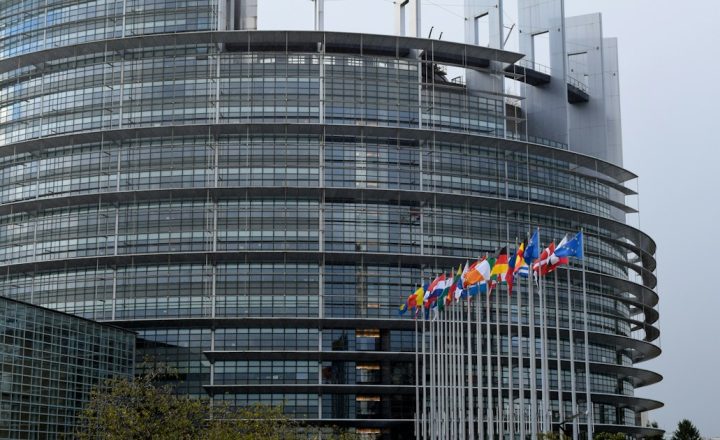
The European Commission has confirmed that the cyber campaign targeting its digital systems also affected the EU Academy online learning platform, resulting in the exposure of users’ personal data. The exact scale of the leak and the number of people affected remain under investigation. Public access to the platform has been disabled as a precaution.
**Names and email addresses were exposed**
Commission spokesperson Thomas Regnier said the data taken included the names and email addresses of EU Academy users. The Commission has not disclosed how many accounts were affected.
At this stage, the Commission has not confirmed that passwords or other categories of data were also stolen. Those details should not be treated as established facts while the investigation continues.
**External learners may also be affected**
EU Academy provides online courses and information about EU policies and activities. It is used not only by staff of EU institutions but also by people outside the institutions, including students, educators and other learners.
The Commission said the cyber campaign was detected on October 22. As investigators examined the incident, they confirmed that EU Academy had also been affected. Public access to the platform was disabled as a preventive measure. The Commission has not identified who was responsible for the attack.
**Users were notified through the website**
The Commission posted a general notice on the EU Academy website. Regnier confirmed that individual emails had not been sent to users. The European Data Protection Supervisor was informed, according to the Commission.
Investigators are still working to establish the full extent of the data exposure and whether further measures are needed. No final assessment has been released.
**Users urged to watch for phishing attempts**
Names and email addresses can help attackers make phishing messages appear more convincing. Users should be especially cautious about unexpected emails claiming to be security alerts, course confirmations or requests to verify an EU Academy account.
Avoid opening unexpected links, do not share personal information with unfamiliar contacts, and access the official website directly when checking for updates. If the same password is used for other services, change it there as well. Enabling multi-factor authentication where available can provide additional protection.
The number of affected users and the full scope of the leak remain unknown. The Commission’s investigation is ongoing.