Germany has cleared a key legal step towards introducing its national digital identity wallet. The Bundesrat has approved the Digital Identities Act, paving the way for the country’s version of the European Digital Identity Wallet, known as d-you. The app is scheduled to launch in early January 2027 and will be free to use on a voluntary basis.
The Bundestag passed the legislation in mid-October. The federal government says d-you is expected to launch with around 40 partners from business, academia and public administration. The wallet will allow users to keep digital identity credentials and other documents on their smartphones, with further functions to be added over time.
Residence permit holders can also use the identity function
To verify their identity through d-you, users will need either a German identity card or an electronic residence permit (eAT) with its online identification function activated. This means non-German nationals, including Turkish citizens who hold an eligible eAT with the eID function switched on, will also be able to use the wallet’s digital identity feature.
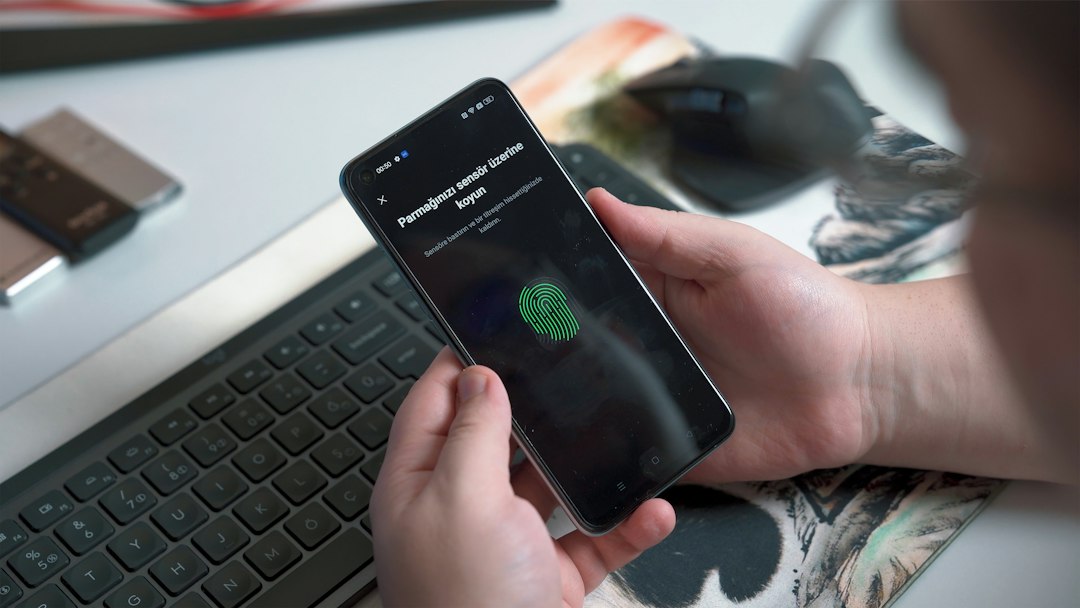
Setting it up requires a compatible smartphone with NFC and the six-digit PIN linked to the identity document. Users will also be able to store other digital credentials in the wallet.
From opening bank accounts to collecting parcels
Planned uses include digital identity checks when opening a bank account, proving a person’s age and collecting parcels at post offices. Further credentials, including driving-licence, social-security and pension-related records, are expected to be added gradually.
The system is designed to let users disclose only the information needed for a particular transaction. For example, an age check could confirm that someone is over 18 without sharing their exact date of birth or other personal details.
Free and optional, with data stored on the phone
Use of the app will not be compulsory. Physical identity documents and existing ways of proving identity will remain valid, and businesses will not generally be required to offer or accept the wallet.
According to the official information, digital credentials will be stored in encrypted form on the user’s phone. There will be no central collection of wallet data, and information will be shared only after the user explicitly approves a request.
Changes to identity cards and passports
The legislation also includes other administrative changes. People who last applied for a German identity card at the age of 70 or older will be able to keep using it indefinitely. After moving house, passport holders will no longer be required to update the address recorded in their passport, although they may still choose to do so.
d-you is Germany’s implementation of the EU’s common digital identity framework. The aim is to make digital identity credentials usable across borders under shared European standards. The timing and scope of individual services in other EU countries will depend on further technical and legal implementation.