Warning strikes in Germany’s metal and electrical engineering industries began on Sunday, November 1, after the collective bargaining peace period expired. IG Metall said around 300 employees at thyssenkrupp Rasselstein in Andernach briefly stopped work shortly after midnight, with participants from nearby workplaces also joining the action.
The dispute affects about 3.7 million workers nationwide. IG Metall is seeking a five-percent pay rise over 12 months, alongside stronger guarantees for jobs and production sites and a profit-sharing arrangement at companies performing particularly well.
Employers have proposed a one-off payment in July 2027 worth one percent of average collectively agreed annual gross pay, with the amount allowed to vary according to a company’s circumstances. The offer also includes a 1.3-percent increase in pay scales from July 2028, under an agreement running until the end of December 2028.
The employers’ association METALL NRW says the proposal reflects severe structural pressure on the industry and is intended to leave room for investment and competitiveness. Employers also want talks on high sickness-related absences and faster adoption of artificial intelligence at workplaces. IG Metall argues that the offer comes too late and would not adequately protect workers’ purchasing power against rising prices.
Regional union branches will decide where warning strikes take place and how long they last. Any effect on output or deliveries will depend on participation at individual plants; a uniform nationwide disruption has not been announced.
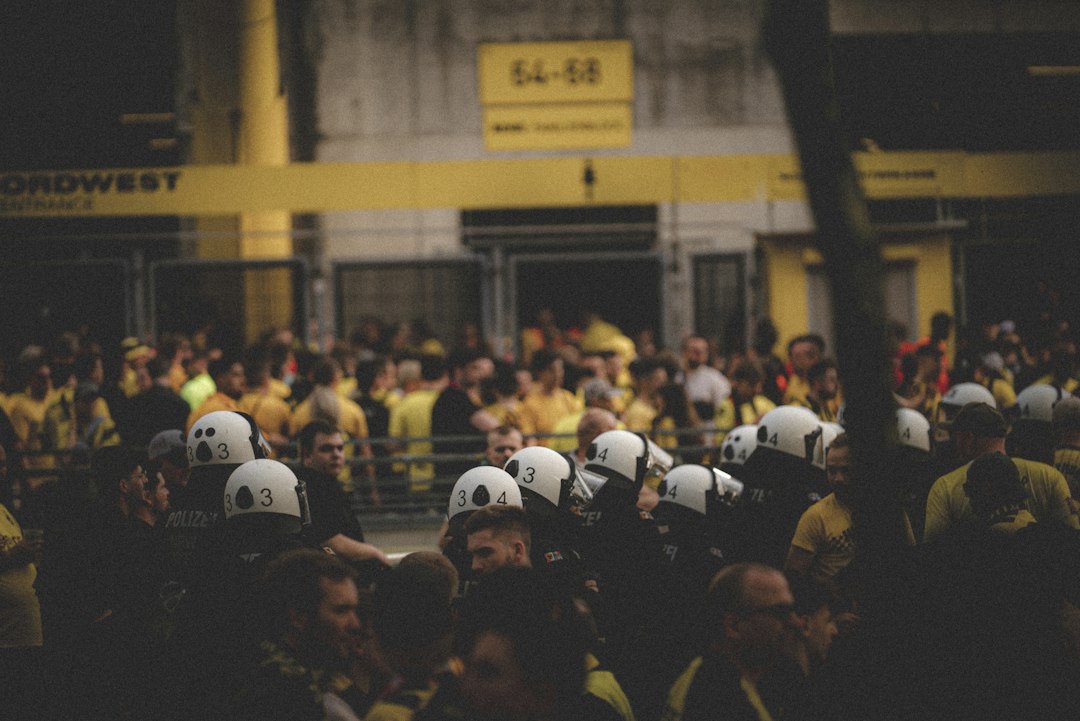
Omar Ramadan / Unsplash