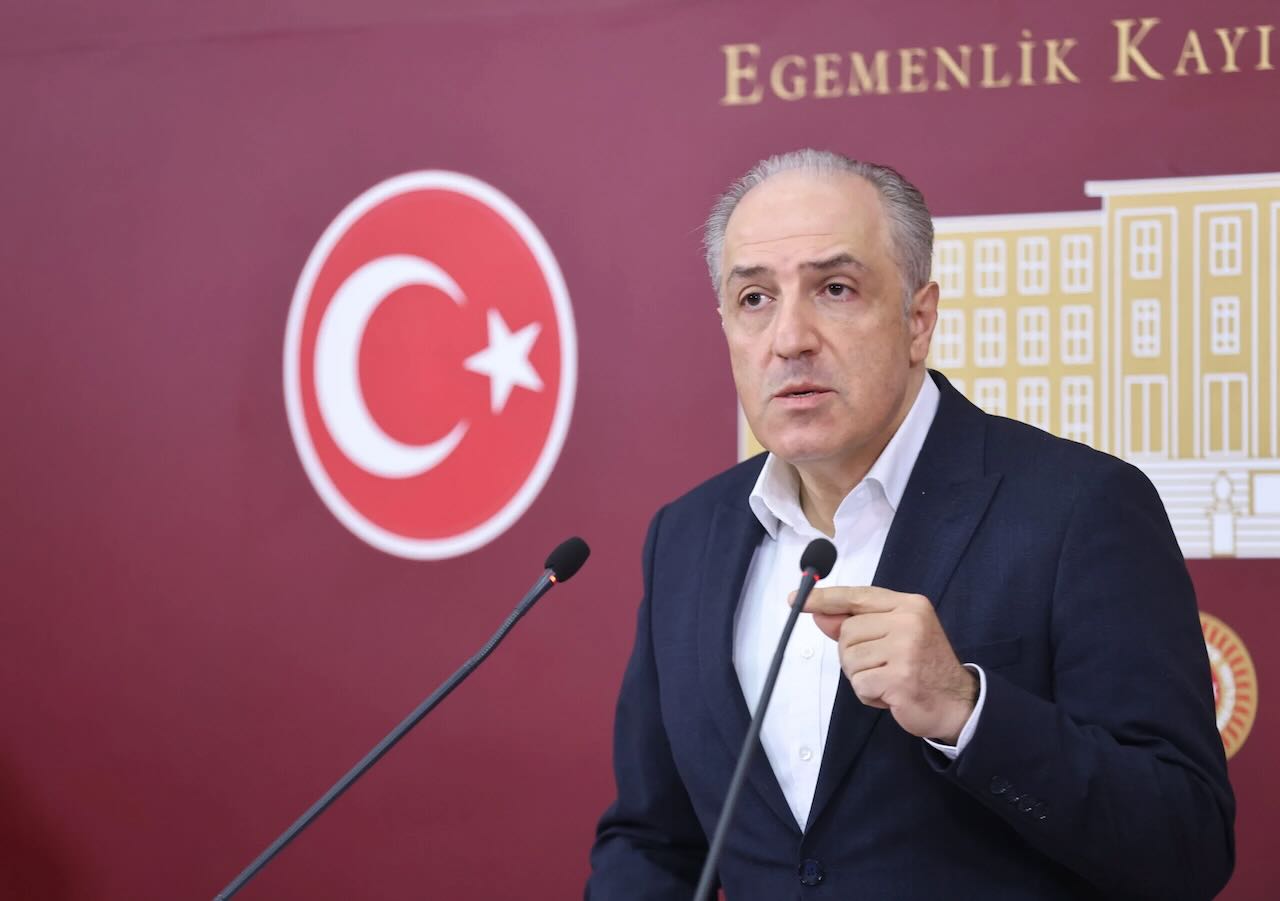
ANKARA – Marking the 65th anniversary of the labour recruitment agreement signed by Türkiye and Germany on 30 October 1961, Turkish lawmaker Mustafa Yeneroğlu highlighted the contributions of people of Turkish origin to German society and called for stronger democratic participation and a firm response to far-right extremism and discrimination.
More than three million people of Turkish origin are an integral part of Germany, Yeneroğlu said. The work carried out by the first generation in factories, mines and workshops has been followed by contributions from subsequent generations in science, the arts, education and business.
He also pointed to the growing political representation of people with immigrant backgrounds, from municipal councils and state parliaments to the German Bundestag, the European Parliament, mayoral offices and ministerial positions. The fact that children of immigrant families are taking responsibility for governing the country is an achievement for German democracy, he said.
WARNING OVER THE RISE OF THE FAR RIGHT
Yeneroğlu described the growing support for far-right movements in Germany and Europe as deeply concerning. Their influence, he warned, would not remain confined to parliaments but could extend to public administration, education, workplaces, the media and everyday social relations.
Normalising the targeting of people because of their origins or beliefs creates an environment in which discrimination becomes more readily accepted, he said. Democratic parties could also accelerate the trend by adopting the language and positions of the far right.
Continually questioning the belonging of people who have made Germany their home undermines equal rights and the willingness to live together, Yeneroğlu said. He called for consistent opposition to racism, xenophobia, anti-Muslim hostility and all forms of discrimination.
“WE MUST ALSO CONTRIBUTE TO DEMOCRACY”
Enjoying democratic rights and freedoms must go hand in hand with helping to protect and strengthen democracy, Yeneroğlu stressed. Active citizenship extends beyond voting in elections.
He encouraged people to become involved in political parties, trade unions, professional associations, parent-teacher organisations and civil society groups. He also called for greater engagement on issues affecting society as a whole, including education, housing and social justice.
Yeneroğlu urged people from different backgrounds, faiths and ways of life to build stronger relationships around democratic values. He also called on young people with immigrant backgrounds to take a more active role in politics.
MERZ’S STATEMENTS SHOULD BE REFLECTED IN GOVERNMENT POLICY
Yeneroğlu also commented on German Chancellor Friedrich Merz’s speech marking the anniversary. He welcomed Merz’s recognition that immigration from Türkiye had enriched Germany.
Merz had described “remigration” rhetoric as an attack on modern Germany and acknowledged that people can still be treated as foreigners even in the third generation. Yeneroğlu said these statements should be reflected in government policy, with stronger protection against discrimination and more equal opportunities to participate in society.
CALL FOR LONG-TERM POLICIES FOR THE TURKISH DIASPORA
Turning to Türkiye’s policies towards citizens living abroad, Yeneroğlu called for regular research, reliable data and long-term strategies that better reflect the changing needs and expectations of the diaspora.
He proposed establishing a specialised committee in Türkiye’s parliament to monitor migration issues and the concerns of citizens living abroad. He also called for outstanding commitments concerning pensions, social security, citizenship procedures, military service and the use of foreign-registered vehicles in Türkiye to be fulfilled.
The Turkish language and cultural ties also require sustained support, he said. Yeneroğlu paid tribute to the first generation whose hard work laid the foundations of the Turkish community in Germany and remembered those who lost their lives in racist attacks.
He concluded that the responsibility to future generations is to work together for a Germany in which everyone can live freely and on equal terms.