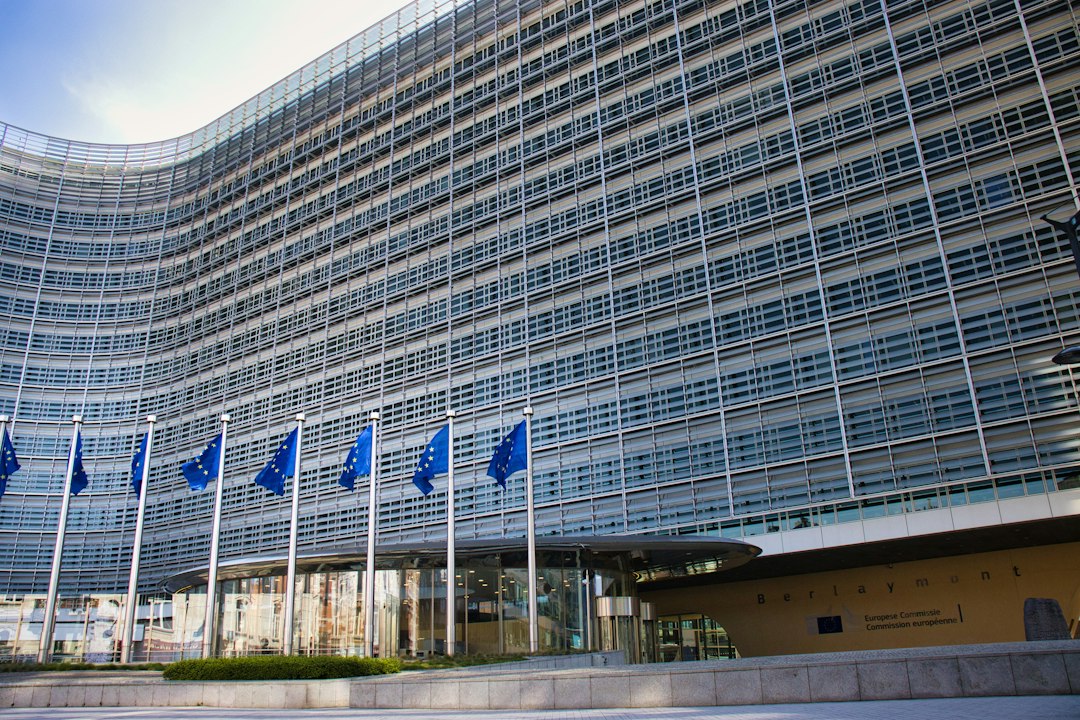
European Union leaders are heading into difficult negotiations over the bloc’s long-term budget for 2028–2034, with disagreements over the overall size of the plan and how to fund future priorities.
A compromise proposal put forward by Ireland, which holds the rotating EU Council presidency, sets the seven-year budget at about €1.62 trillion. That is around 8% below the European Commission’s original proposal but still roughly 30% above the current 2021–2027 framework, according to figures reported ahead of the summit.
Germany and other countries that contribute more to the EU budget have called for tighter spending, while other governments and the European Parliament want sufficient funding for agriculture, regional development, competitiveness and security. The debate also includes possible new EU revenue sources, including income linked to emissions permits and customs duties.
The budget requires agreement among all 27 member states, followed by the European Parliament’s consent. The talks are expected to remain difficult as governments weigh new demands on defence, support for Ukraine and economic competitiveness against pressure on national finances.